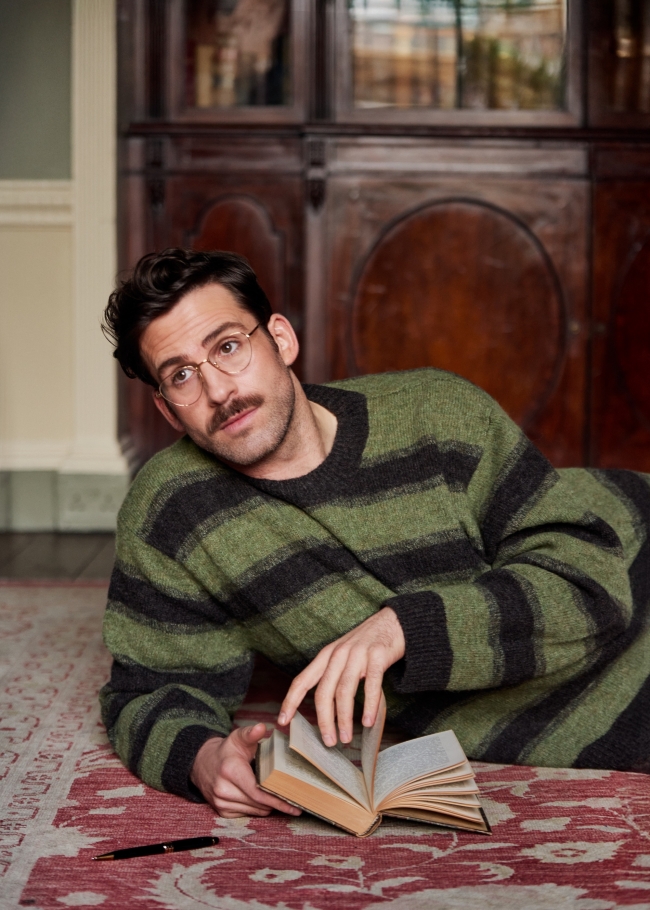
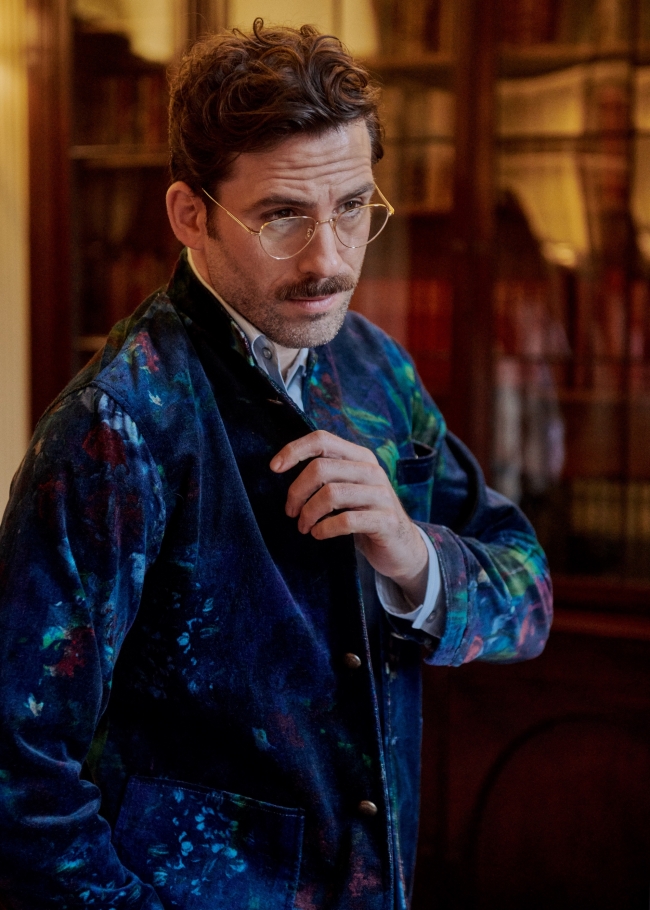
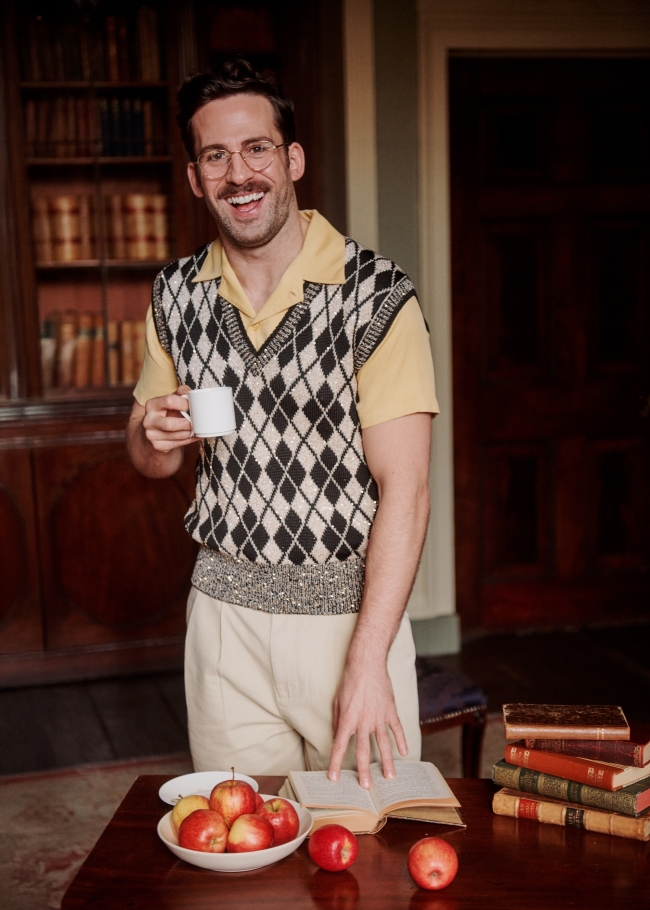
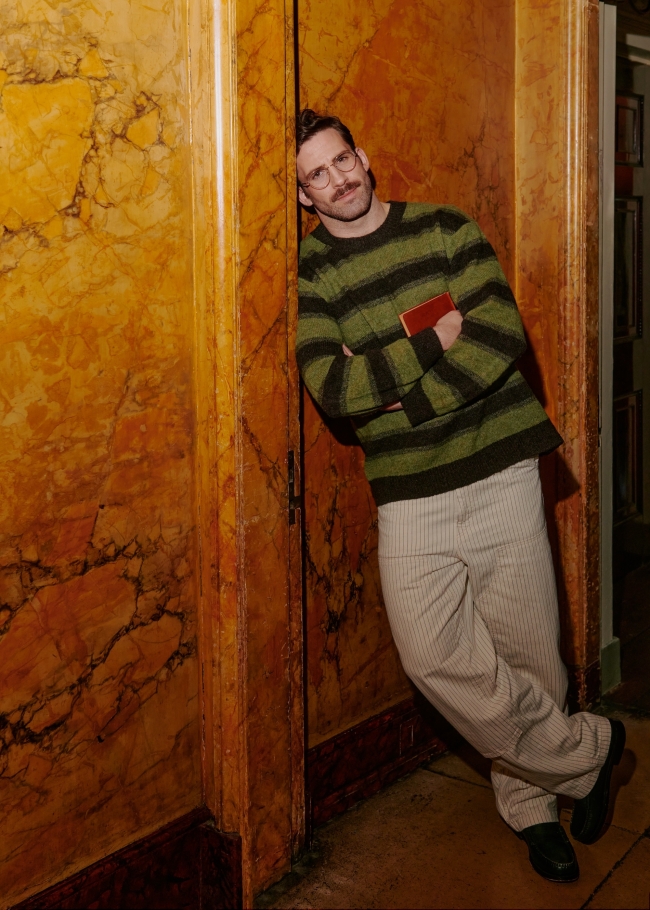
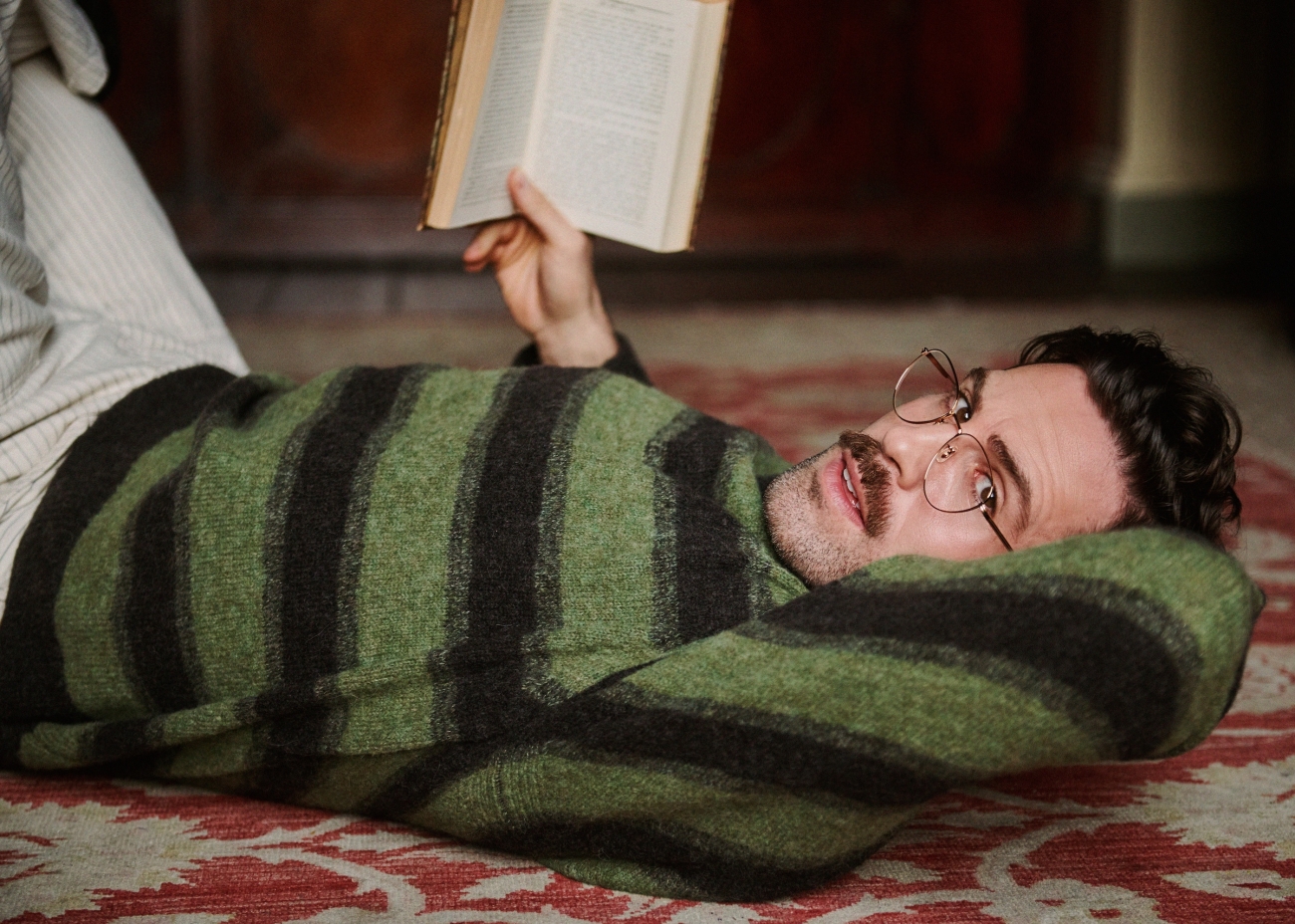
Photographer Rebecka Slatter
Fashion Charlotte Harney
Groomer Terri Capon using Hourglass and Olaplex
Writer Sam Cohen
Set Design Aria Mehta
Producer Rachel Allison
Creative Production Assistants Carla Vegas and Melissa Aggrey
Fashion Assistant Natasza Szczepanski
Location Special Thanks Home House
If you were to make a flipbook collection of the world’s catalytic moments, the emotion you would most often see unfolding wouldn’t be anger—it would be joy. Even during the bleakest parts of our collective history, there have always been people holding onto hope and the promise it contains. At first, the light within that hope may only be the flicker of a single candle illuminating a small circle of darkness. But slowly, over time, one candle turns into ten, and then a hundred, and then a thousand. Until one day, we look around and realise that enough people have held onto hope to light a path forward for everyone else. Dino Fetscher is one of those candle bearers. Because, as he told me during our conversation, being able to hold onto joy “is our superpower—if we lose our joy, we can't fight.”
Fighting for a better world—for a kinder, gentler, more accepting version of reality—is important to the Welsh actor. It’s a facet of his personality that is immediately evident in his body of work. Whether he’s tackling the AIDS crisis in The Normal Heart or advocating for climate change in Under Salt Marsh, the roles that Dino embodies are, in many ways, extensions of his own beliefs. “Every character I play teaches me something about myself or the world,” he told me. And perhaps it’s this commitment to learning something new from every project that allows him to see the myriad ways he can find and hold onto joy, no matter what’s going on around him. He is allowing himself to accept two truths at once: that things can be bleak and overwhelming, but they can also be a celebration of the love and happiness still surrounding us.
Creating a balance between those two truths is an imperfect art. Some days Dino evens out the scales perfectly, and on others, he’ll take time to weep in his dressing room before he squares his shoulders and sets out to greet the world with empathy again. In holding onto joy, in maintaining a steady stream of light amid the darkness, Dino is committing a revolutionary act of defiance. He’s saying, “This is how the system changes,” and he’s right to hold onto that belief. His character in Under Salt Marsh, Gareth, extends his hand out to lead people through the storm and back to safety. By keeping his candle lit, Dino is doing the same.
Under Salt Marsh is out now on Sky Atlantic.
How has Oh, Mary! been going so far?
It's been such a wild ride. It's a really brilliant show. I’m just revelling in it and loving my whole company. It's pure joy and silliness. It's a lot of energy, so I'm constantly exhausted, but in the best way. The last play I performed was The Normal Heart at the National Theatre, which was one of the most wonderful career experiences, but it was also very emotionally draining. It’s so close to my heart, and I'm so proud of it, but we did it for six weeks, and I don't think I could have done it for longer than that. I would've needed a couple of weeks' break.
That does sound taxing, especially since you're doing two shows a day some days, so there’s no breathing room. I saw Oh, Mary! on Broadway over the summer when Jinkx Monsoon was Mary, and she was absolutely incredible. I’m jealous you get to enjoy Mason’s [Alexander Park] performances. I’m such a huge fan of theirs.
Oh my gosh, she's amazing. We’re having such a good time, and we feel so safe working together. She's so brilliant at what she does, but she's also a wonderful human being. We've built such a nice relationship. So, it feels safe to take risks when we’re on stage together. If something goes wrong, I know she's got me, and she knows I've got her.
Feeling completely safe around your scene partner and being able to trust each other earnestly is all you can ever hope for in a job, right? I’m so glad you’re having such a great experience, and I'm excited to talk to you about Under Salt Marsh. I watched episodes one to five, and I was deeply enthralled the entire time!
I'm so glad you enjoyed it. It was a thrilling project from the moment I read it. Crime thrillers can start amazingly and set a good premise, but sometimes they take a funny turn or ultimately disappoint viewers. But this piece, in the way Claire [Oakley] has written it and put it all together, is very clever. I love how it's so character-driven and relationship-driven. You are so invested.
That's the perfect way to describe it—you're completely invested from the jump because it’s so relationship-driven. One of the things I enjoyed most about the show was how the Welsh landscape was its own character. Not only does it show how the environment you live in shapes who you are as a person, but it's also a vessel for conveying the everyday impacts of climate change, which is hugely important to your character, Gareth, who's from South Wales, where you're originally from. What was your relationship to the environment you grew up in, and was climate change discussed?
I'm from Cardiff. I grew up in the city with my mom, but then I lived with my dad for a while, who is more in the countryside. It wasn't until I moved to London that I realised how green and luscious Wales is. You take things for granted when you're a kid, and you don’t notice something until it's gone. Then you really appreciate it. In London, I need to be near parks and green spaces. Otherwise, I start to go mad and feel depressed. I try to take myself out of London whenever I can. It's impossible at the moment with the play, but just going somewhere a bit out of the city and experiencing nature is important.
Regarding climate change, as an ignorant child, you don't really notice. I didn’t feel the impact until I was older. Under Salt Marsh is about a child who has turned up drowned in a ditch, and there’s an impending storm coming. The storm is just coming—it is an immovable fact. And as Gareth, I try to tell people about it, but they don’t listen because they don’t want to believe it. An investigation into what happened to Cefin is ongoing. There are all of these detailed, nuanced dynamics, but the story lives in the weather. The way the series is filmed presents that as an ever-approaching force.
Claire did such a good job of that because I've seen dramas about climate change, and they hit you over the head with it. When we come at things directly sometimes, it can create a desire to distance yourself from the work because you feel like you're being preached at. Under Salt Marsh has done such a good job of incorporating that into the core of what the series is about without it being preachy, so you absorb it on a subconscious level. You're very aware of this unstoppable force of nature that is inevitable. I hope it trickles into people's minds and makes us realise that this is a reality because Morfa Halen, the island series is set on, is fictitious, but it's based around Fairbourne in North Wales, which is eroding. Homes are falling into the sea there. In a matter of years, that town will be gone. This is happening, and people in those towns are living with the reality. The show does two things at once—it's enormously entertaining, but I hope people take away the sense that climate change isn't just a theory. I hope the series sparks conversations.
Absolutely. The subtleties of how it's presented in the show will ultimately hook people by showing them concrete, tangible ways climate change is impacting their communities. In Under Salt Marsh, they have to boil their water and barricade their homes. There’s evidence that’s going to be swept away because of this impending storm. Justice might not come because the weather is going to annihilate the area.
You can see it in the mentality of these characters' lives—the impact of climate change. My character, Gareth, has a wonderful line. My character is telling Detective Eric Bull about the devastation the storm will cause, and the Detective says, "That can't happen.” I say to him, "The storm doesn't care about your investigation." That's powerful because there’s so much rhetoric around climate issues and how governments handle them. Nature doesn't care about our feelings or about keeping us safe. It will respond to what it's being given. It could come to a point where it's too late for us to reverse all the issues we're ignoring now. That’s already happening. It's terrifying, and so easily ignored. We need to engage with it now, because it's already here.
I completely agree with you. In terms of saving animals and crops, there's already a hunger crisis, which climate change will exacerbate. Gareth is skirting this very real disaster that's coming while also understanding the grief of losing the only home you've ever known. He’s tasked with urgently but kindly conveying that message to the community. How were you framing your line delivery in that sense?
This is what's wonderful about my job. I've become more passionate about things through the characters I’ve played. Every character teaches me something about myself or the world, and that's certainly been the case with Gareth, both in terms of the environment and how he is as a person. He is kind and doesn’t beat around the bush. He's like, "This storm is coming, and it's going to kill everyone. You need to get out now." People need to hear that, or they won’t realise the gravity of it. He's the only person who dares to stand up and say, "This storm is coming, this is the science behind what’s happening, we need to move, or everyone will be in danger." It makes him an outsider. It makes him unpopular. What I've taken from him is his courage to say what is right in a community that will ostracise him. He's not going to make any friends, but he cares about the people enough to be unpopular.
That's such a beautiful way of framing his situation. It's hard to be in that position because it's natural for us to want to be liked by other people. I often struggle to let other people sit in my discomfort because of that, but Gareth isn’t afraid because he knows what’s right.
He cares deeply about people. He cares about nature and its ecosystems. But ultimately, he's an ecologist because he cares about the planet. He wants to help people stay alive, and he's hated for that. I’ve likened him to Cassandra from Greek mythology, given the power of prophecy, but she's cursed because no one believes her. I've learned so much from him as a person because he’s very different from me. He knows what he wants in certain situations and isn't afraid to get it. When a boundary is crossed, he's able to assert himself and know his worth and what he wants. He's able to step back from scenarios that don’t serve him because he knows what he deserves, and that was a powerful takeaway for me, because sometimes in my nature, I want to people-please. I'll neglect my boundaries to make other people feel good. I love that Gareth doesn't care. He cares about people, but he doesn't mind upsetting someone to protect himself.
I relate. I've been more mindful of my boundaries, and I’ve learned that can mean not getting what I want because it's not being presented in the way I need. Gareth very clearly wants something specific out of the relationship with Bull. When it's clear to him that Bull isn’t able to reciprocate, instead of diminishing his worth, Gareth just says, "I'm going to take a step back, and you can come to me when you're ready.”
Exactly. He clearly is into Bull. There's a powerful attraction and spark there, but he's able to go, "No, actually, this isn't good enough. This isn't what I want. You need to do some work on yourself, and I'm walking away because of that.” Even in the face of Bull pleading or trying to pull Gareth back, Gareth can set that boundary. I found that to be profound. I would love to be much better at that in my life. I'm getting there, but it takes time.
I remind myself that growth isn't linear and that I will make progress, but I will also regress. We're doing our best, which is all that matters. You mention Bull and Gareth. I was struck by the genuine sincerity on your face when your characters are having those difficult conversations. Did you and Rafe Spall work together before filming to build that camaraderie?
We worked on some of the scenes in episode three, but we built our own characters individually and then came together, which I found exciting. There is a sense of alienation, trepidation, and uncertainty in their relationship. Not knowing exactly where he was at [in terms of preparation] was actually really useful to our specific relationship journey. I'm glad you noticed the expressions because it's something I loved about him. He's very honest. You get what you see with him. He doesn't have time for games or deception. He cares about what he loves and what he does, but he loves himself, too. That's the big thing. Of course, he's open to this relationship, but he knows what he deserves, so he isn't willing to sacrifice that. When he speaks to Bull, it's with complete sincerity, but he doesn't play games. Whereas Rafe’s character is navigating something specific within their relationship and dealing with so many other things, so he can’t deal with this level of intimacy. Us coming from those two different angles made for some interesting scenes to watch, I hope.
I love performances where you forget you’re watching someone acting, and I very much felt like that watching your scenes—Gareth felt like a real person to me. You've been talking about how much you've learned from playing Gareth and how you’ve absorbed some of his tendencies. What's one thing you feel like he could learn from you as a person? How would that benefit him in the show?
He's a warrior in many ways. He's a hero. He's fighting for the people and nature. He’s so immersed in that. I don’t think he makes enough time for personal joy, though. I would encourage him to find joy. If I were to walk into the world and befriend him, I’d be like, “Let's go to a stupid pub quiz,” or “Let’s go paintballing or do something silly,” to connect with a sense of playfulness to help fuel his engine. He is playful and loving, but in the weight of what he does, that can be easily forgotten. As an actor, it can be hard between jobs. When I've been in my heaviest moments, I’ve thought, "Okay, I need to step away from this. What do I have? What's my joy?" For me, it is learning piano, learning German, hanging out with my mates, going to an escape room, going on a trip, and holding everything a bit more lightly. That allows me to come back to work recharged and better at what I do. That would be helpful for Gareth, too.
Finding joy is hard sometimes, especially right now when it's a very oppressive, difficult time to be alive, and we're so conscious of such widespread suffering every day.
The key thing in how they operate systems of fascism is that they want to overwhelm us. They want us to feel apathetic and exhausted so we don't have the energy to come together. Mining for personal joy is essential because it is our form of protest. But it's hard, isn't it? Something terrible is taking place somewhere else in the world, and it’s awful. I had this moment when I found out what happened when Renée Nicole Good was killed, and I just wept in my dressing room. But I had a game night with my friends, and I was having a lovely time. I caught myself in the moment and thought, "This person has died, and here I am having a game night," and I was interested in investigating that. I learned that both things can exist, and we need to feel joy when we can, because if we constantly engage with the news and let it weigh us down, then what do we have left other than hate and fury? Anger is important in times like this, but only if it’s used correctly and in a way that can effect change. Protecting our sense of joy is deeply important.
That was beautifully said, and it feels special to be on the receiving end of that insight. It's been heavy living in the US and watching fascism unfold in real time, feeling helpless, but wanting to be tuned in because I don't want to shut myself off from it. But as you said, I've also been trying to allow two truths to exist simultaneously, holding grief, empathy, and rage alongside the joy and hope. I'm finding solace in knowing that people have gone through similarly bleak situations in the past and found their way back to the light again.
I believe that as well. It's interesting what you said about holding two truths at once. That's been key for me at the moment—understanding that one thing doesn't cancel out the other, and that two things can be true at the same time. We're very complex beings. It's all so overwhelming and horrible, but holding onto joy is our superpower.
Joy can so often lead to compassion and kindness, and it can allow us to say, "We're not going to meet you at your level. We're not going to sink into this. We're going to choose to be compassionate and give you the empathy you're not extending to us."
One of the absolute beacons of hope I have at the moment is Zohran Mamdani. He’s political, but he’s playful. He has a sense of joy. He fucking cares. He's there. He's doing the job, but he's also silly. We have this idea that politics must only include serious, straight white men being angry about stuff all the time, but actually, why can't you be playful? In my line of work, when I'm playful, joyful, and connected, it's zingy and wonderful. When it's serious, it can be like going through mud. It's wonderful to see him, and to see Zack Polanski, who's the leader of the Green Party here in the UK. He's having fun with what he does, which is inspiring. It's terrifying to the right because the Green Party here has exploded as soon as Zack became leader. It's gone from being a small party to overtaking Labour, which is essentially our Democratic party. Now it's looking to beat a horrible right-wing party in many places. A lot of that is through this sense of joy and lightness.
It’s so helpful to have those examples—people with a fresh approach. Not only is Mamdani having fun, but he's actually getting the job done. And he's doing it for everyone. He's addressing the concerns on both sides.
And he did it without billionaires in his pocket. He did it through the people, canvassing, love, sheer determination, and clarity. He’s actually taking action, which goes to show that there's so much bullshit around politics where people say, "Oh, it takes so long to get anything done." I hope his actions send the message that politics in general need to change. Maybe that’s the silver lining in this horrible sequence of events we’re living through: knowing that this is how the system changes, and in enduring this darkness, we can create change because what we have now isn’t working.
There always seems to be this catastrophic catalyst that brings about lightness and a better system through a complete restructure. It's difficult to be the people in the darkness, but if it means that future generations have an easier go of things, I’ll take the suffering for them to thrive.
I feel the same.
We'll do a lighthearted question now that we’ve dived into some heavier topics. Many moments in Under Salt Marsh require you to be outside in the elements, being completely lashed by the rain. What was the one item of clothing you wore that kept you the warmest or driest while filming?
Well, nothing kept you dry. [both laugh] We were essentially fighting against these industrial rain machines built into the sky. It was crazy. Our amazing costume department had us wearing underlayers, and I was wearing a thin wetsuit. We had hand warmers, and we were immediately handed towels as soon as we cut, but the rain machines penetrated our costumes. We were all soaking wet, but there was a camaraderie in the wetness. [laughs] Not only did we have those rain machines, but we had fans too, and I shit you not, they were the size of a small bus or a small elephant, blowing the rain at you. It was like being pelted with ice daggers coming at you at high speeds. But it was fun from an acting perspective because it was a real experience of living viscerally with the elements of the storm. It informed each of our scenes and the world we were living in. There was no hiding from the rain. You had to deal with it. We’d be huddled around a heater in the tent together while we were having lunch.
I can’t even imagine dealing with any of that. You must have been overjoyed during the moments when Gareth is at the hotel, or he's in his house!
I'm one of those weird people who loves all that crazy shit. [both laugh] Rafe has a scene where he has to jump in the water, and I was jealous. I was like, "I want to jump in the sea!" I did a series a few years ago, and the script said that I would jump into a body of water, but I never got to do it. So, whenever there's a big fight or anything stunt-y, I'm always like, "Please, I want to do it!”
For your next job, you have to be doing all of the crazy stunts.
During COVID, I auditioned for a character who hangs off a buoy in the sea. I got into the shower fully clothed for the self-tape, put towels down, and kept running in and out of the shower, just dripping, to capture the essence of the scene. I love the drama. I love all the makeup and prosthetics. I love all the pyrotechnics.
We’ve got to get you to work with Michael Bay somehow. I don't know how we speak that into the universe, but we need to.
Well, we've done it now! We're calling it in.
We are calling it in. It's important to speak things into the universe and see what comes back to you.
Oh, Mary! was very much like that. I heard about it from a friend, the assistant director on The Normal Heart, and he basically messaged me one day, saying, "Have you heard of this play?" He was in New York, and he said, "There's a part you would be good for," but it wasn't in the UK yet. I ordered the play text from New York, and after I read it, I called my agent and said, "Is this coming to London?" He then confirmed that it was. I started reading the play, and it was a spiritual experience, almost where I was like, "Oh my God, I've never done anything like this. I need to do this.” I booked tickets to New York to see the play before there were any whispers of an audition here in the UK. I kept reading the text, got an audition for it, and kept visualising myself on the stage. I found out I was cast the day before I flew to New York to see it.
Oh my God! That is such perfect, beautiful kismet. That was just meant to be.
Right? I've had that with a few jobs. I had it with this and with The Normal Heart. I've had it happen with a few jobs in my career where I've just gone, "Oh, okay, I need to do this." And I've become very hyper-focused.
It seems like it’s serving you well. Manifestation isn't just about speaking about something; it's about taking the action steps to bring it into your life. And you did that. You really said, "I want to do this,” and then made it happen. That's incredible.
Certain projects come along that are so exciting, and I'm very proud of the career I've had. It's been very eclectic with TV, theatre, and now some film. The jobs I tend to get are the ones that I become enamoured with after I read them. When that happens, it doesn't feel like I'm learning lines; it’s more of a sense of, “I can't wait to carve this person out. I can't wait to dig into the world. I can't wait to get into the room and have fun with it.” When stuff doesn’t work out, I’ve been able to look back and go, "I didn't really want that.” Don't get me wrong, there's been plenty of jobs where I've been in tears when I didn’t get them, but I think of that phrase: “What is for you will not pass you.”
I love that one, and also the age-old “Rejection is just redirection.”
It's so true. I've had jobs I've missed and been bereft about, but then I got another job that was even better or more exciting. So you go, "Oh, if I got that, I would never have been able to do this.”
It's interesting what hindsight affords you. I remind myself that I'm always on the right path, even if I can't see it, and that the clarity I'm seeking is sometimes just a long-term reward.
I love the analogy about driving a car in the dark. You can only see five feet ahead of you, but you don't stop the car and go, "I'm not going to get to my destination." You trust there's more road. You trust the directions. It's the same in life. It’s a hard thing to do, especially in creative industries when we don’t have the framework, to go “Okay, I trust this.” But luckily, I've always had that. Ever since childhood, I've always had a weird, small confidence that this is the right path that will work out. That's taken me through some dark times because I'm like, "I’m in the car, and it’s dark, and I can’t see where I’m going, but I’m going to keep driving anyway.”
It’s so lovely that you were able to establish that for yourself early on. Having faith means you have to have it blindly. You have to trust that this is the right thing, and you have to be able to pick yourself up off the floor after you're done crying and say, "I'm going to make it, and it's going to be okay."
And those times when you're picking yourself up off the floor, and you're crying, you're living. You're alive, and it's horrible, but I would choose that a million times over being in a safe job that I didn't like and just live for the weekends.
That's being alive but not really living. It's such a gift to experience the full range of human emotions and not shy away from any of them.
It allows for such personal growth. It's not only important and profound for us as individuals to grow, but for the world. If we're able to go through those dark forests, come out the other side, and realise, "I'm okay. I can do this,” you grow in ways you couldn't imagine. I’m able to be there for my friends and family in ways I could have never been had I not gone through the difficulties of my career. In many ways, the rejection and hard times have shaped me into the person I am. I'm grateful for that.
That's such a wonderful thing to do for yourself—to reframe how you look at the difficulties and use them to make sure you’re equipped to show up as your best self for the people you love. To end on another silly question—obviously Under Salt Marsh is a mystery at its core, but in a broader sense, are you the type of person who can guess the ending of a mystery before it's revealed? Or are you usually surprised by what happens?
I am always super wrong. [both laugh]
Honestly, same.
But I'm always confident with my wrongness. So I'm always like, "Oh, it's them." And I have a whole theory, but it's completely wrong.
I'm envious because I literally play everything minute-by-minute, so I don't even have a theory. I’m surprised the entire time. Quite literally anything could happen.
That means we get to enjoy the shows more because we're surprised! When I read this series, the ending was a genuine surprise.
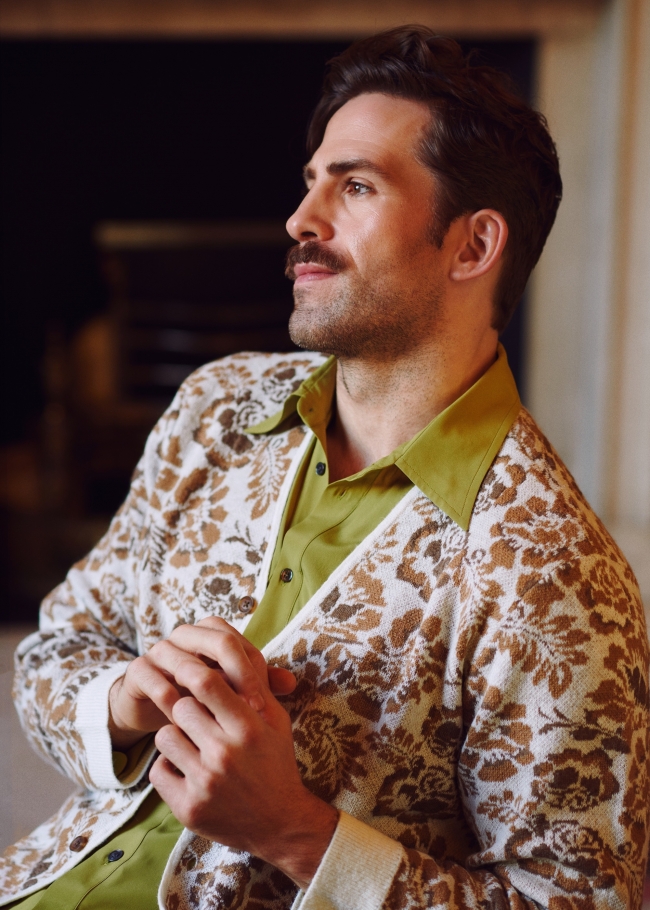
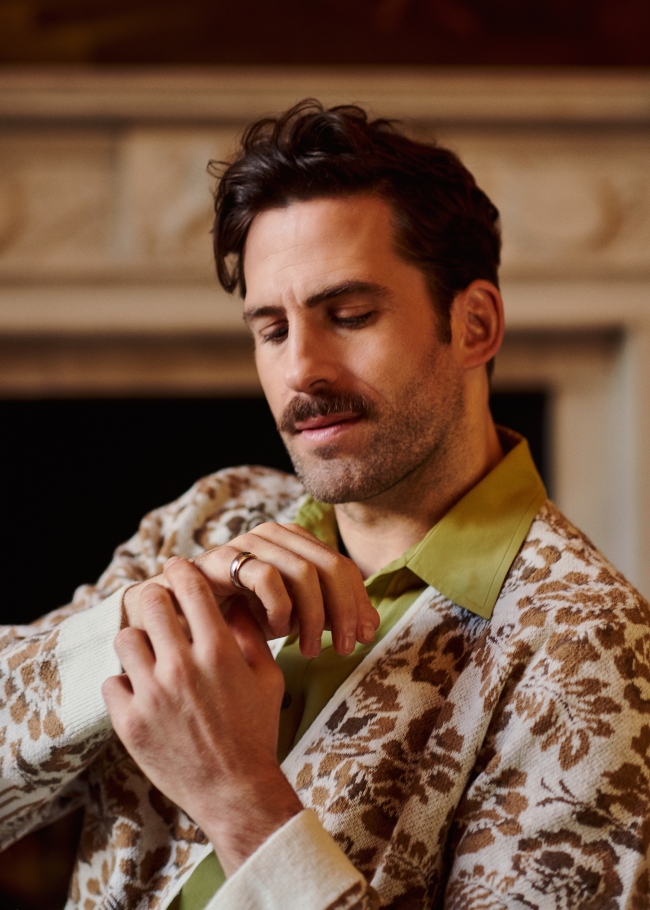
Above right: Dino wears Shirt by Ami Paris, Cardigan by Wax London and Ring by Giovanni Raspini
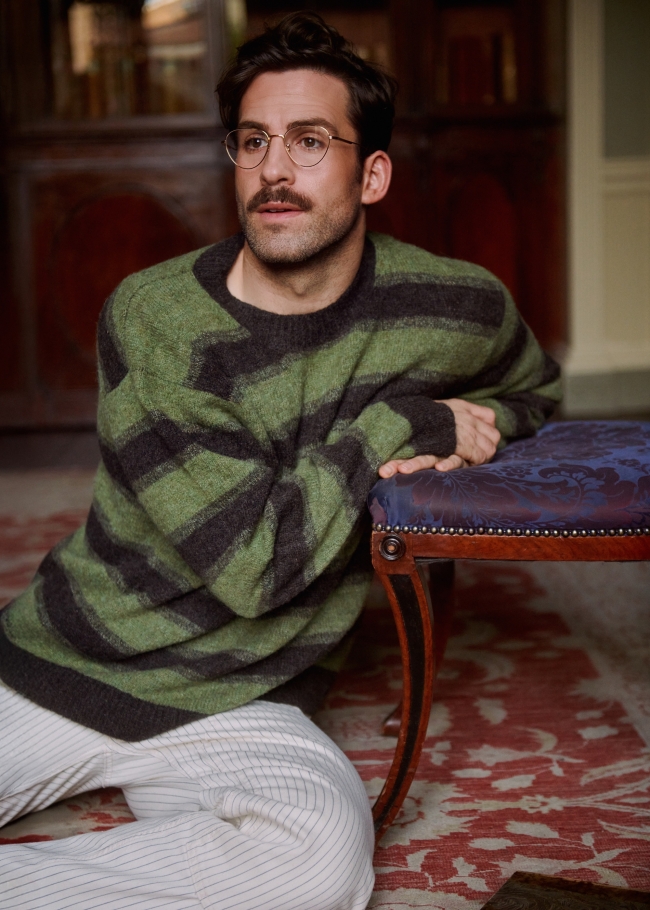
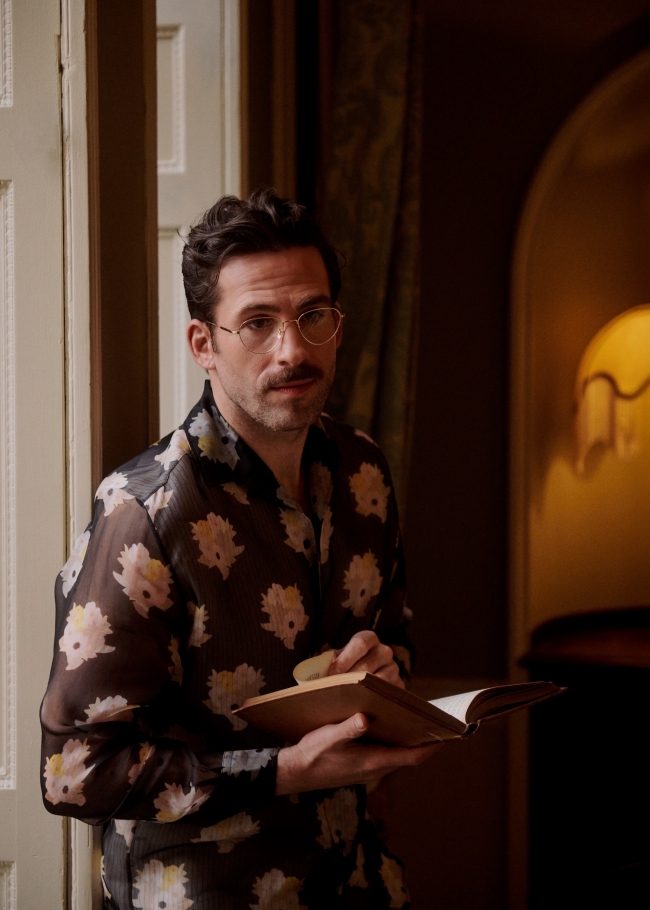
Above left: Dino wears Shirt by Fendi and Glasses by Oliver Peoples
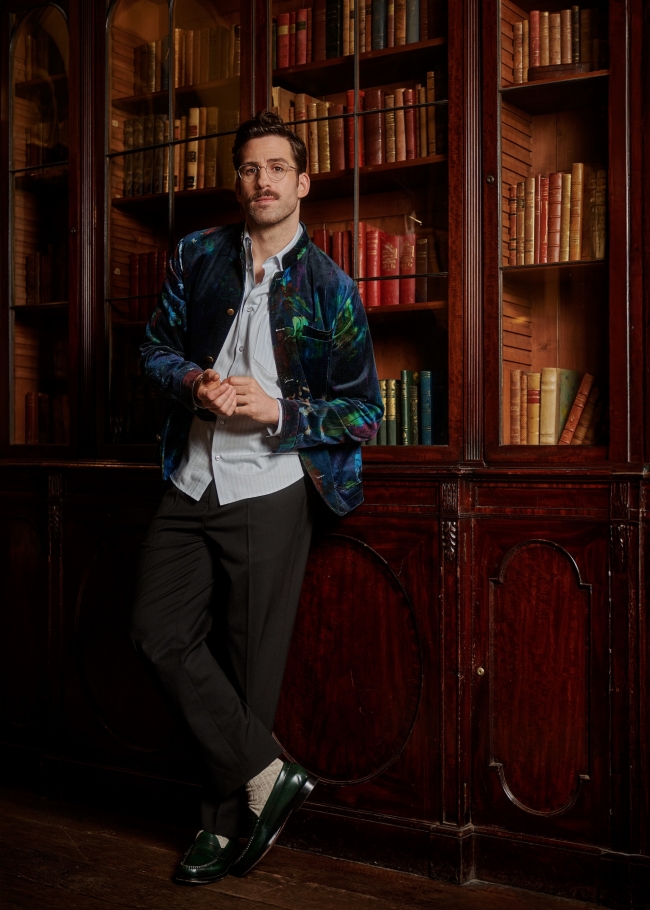
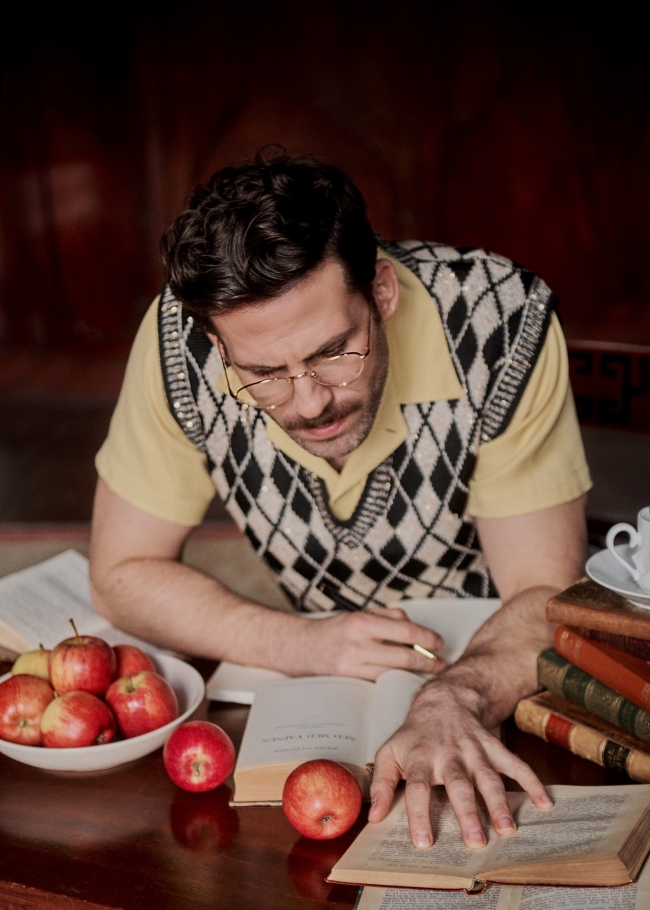
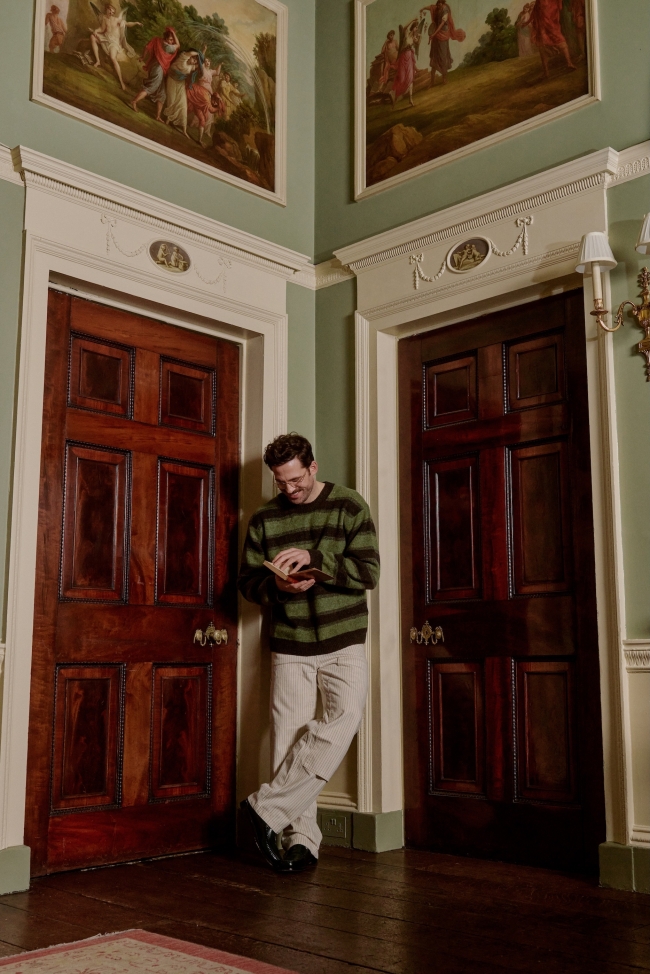
Above left: Dino wears Shirt by Louis Vuitton, Jacket by Favourbrook, Trousers by Moss, Socks by Wax London, Shoes by G.H. Bass, and Bracelets by Coeur de Lion
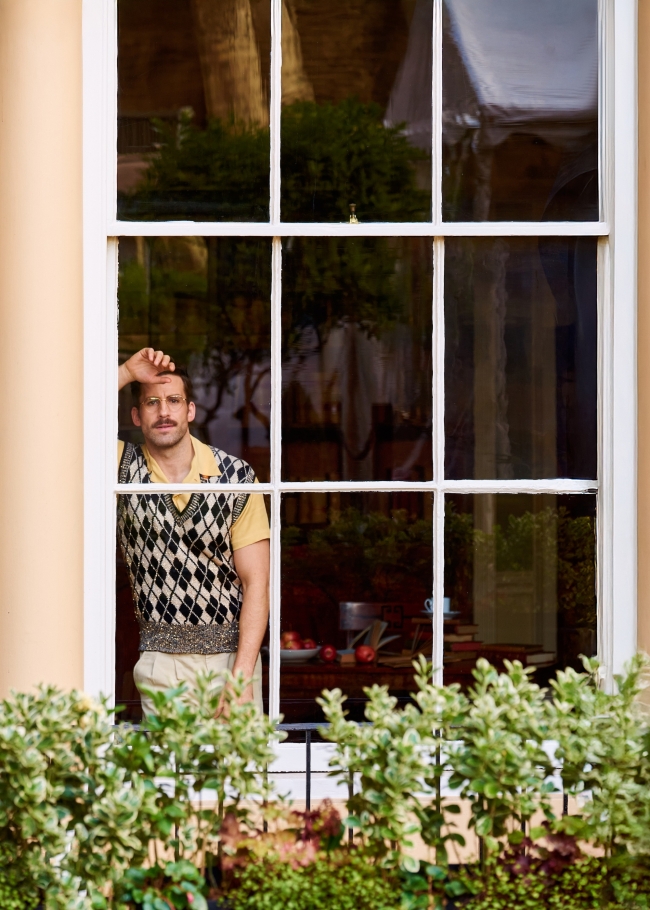
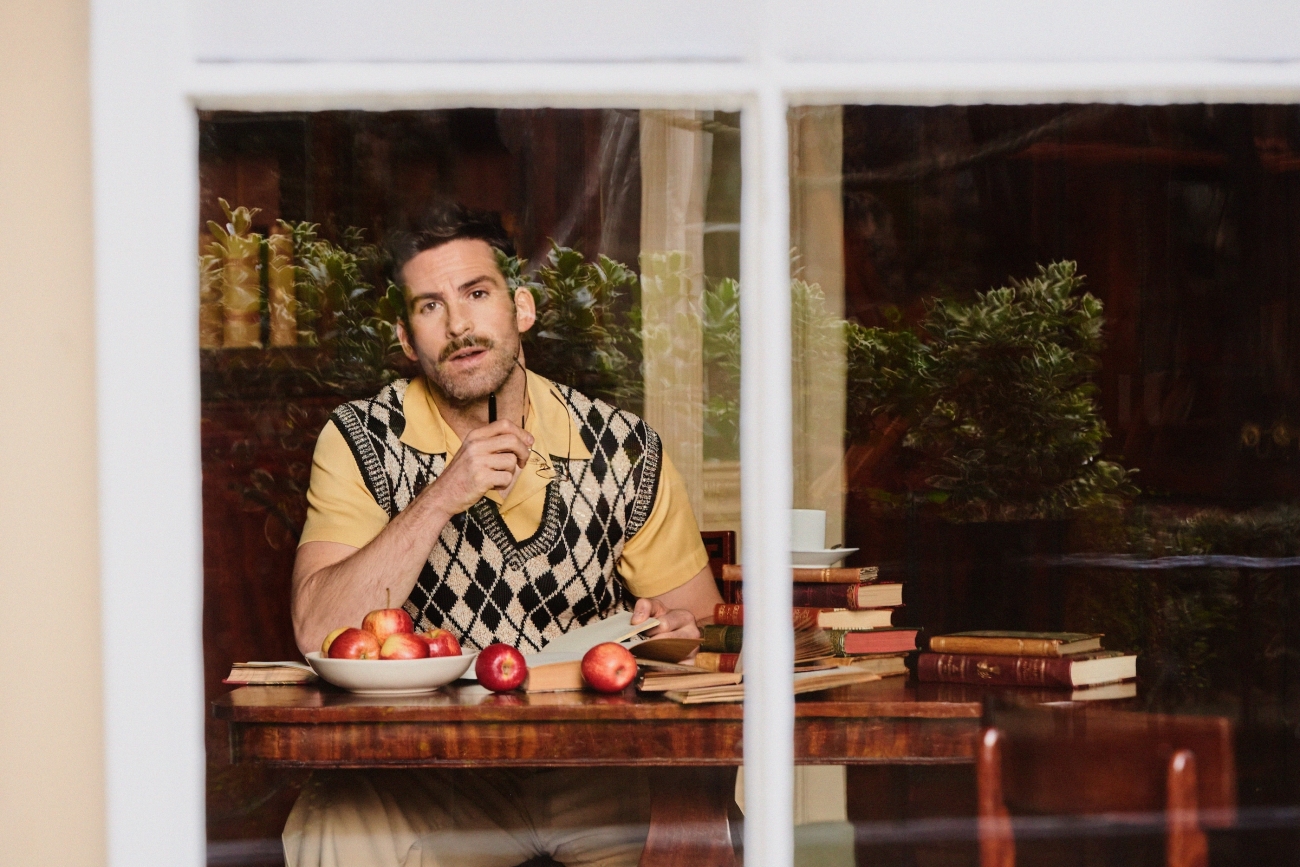
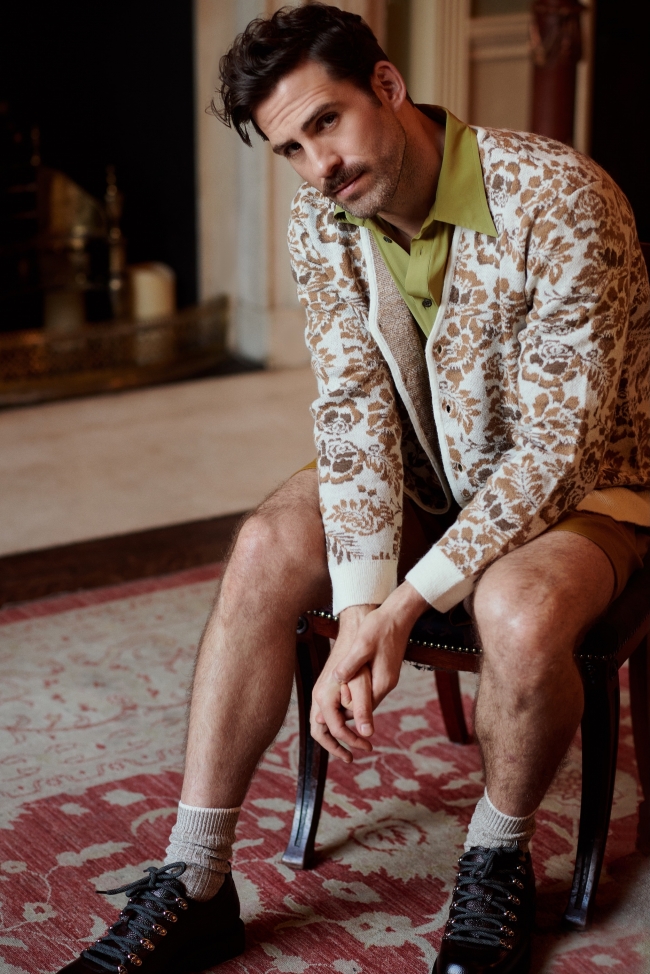
Above right: Dino wears Shirt by Sandro and Vest by Amiri
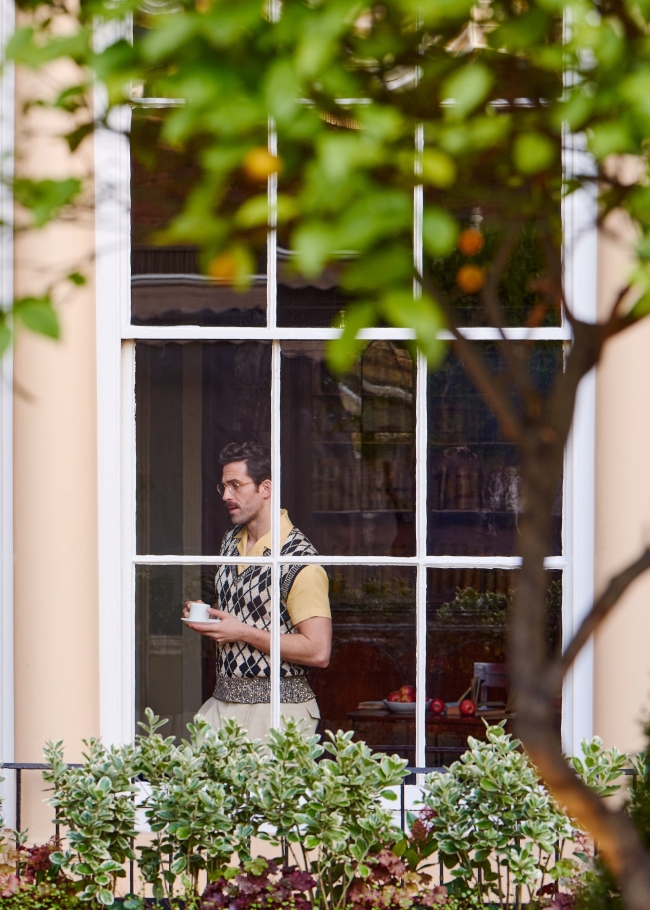
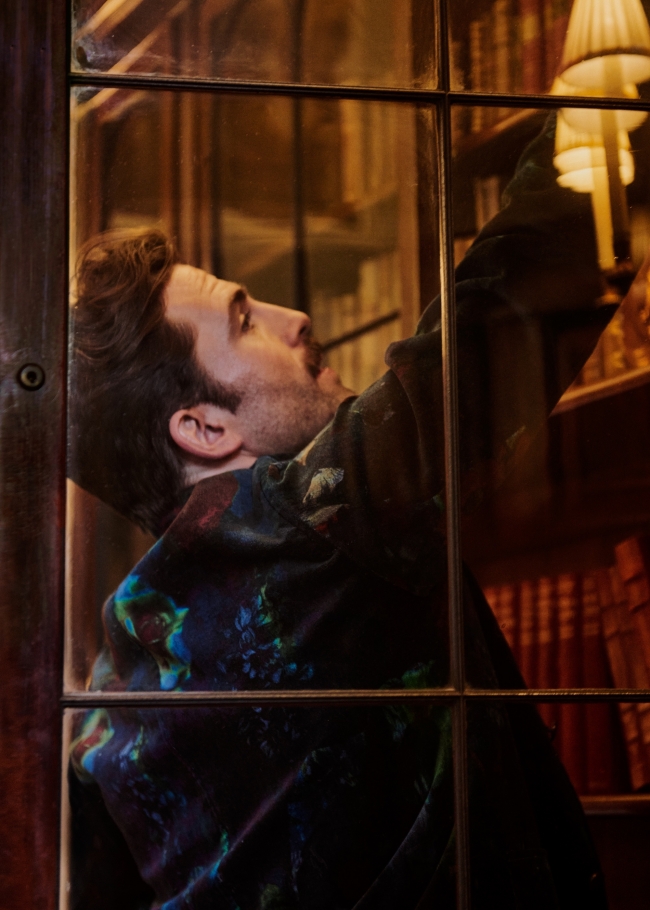
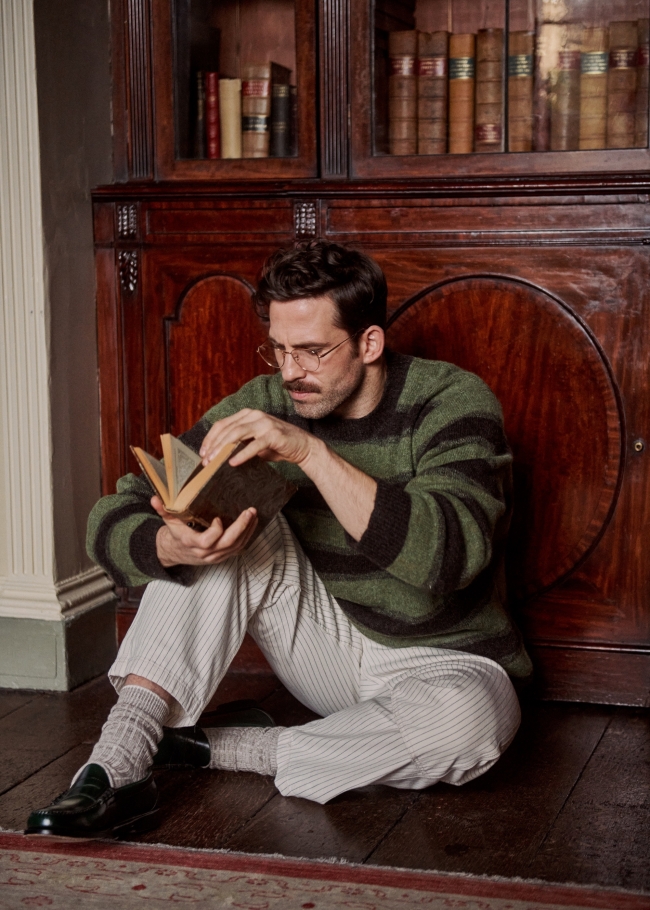
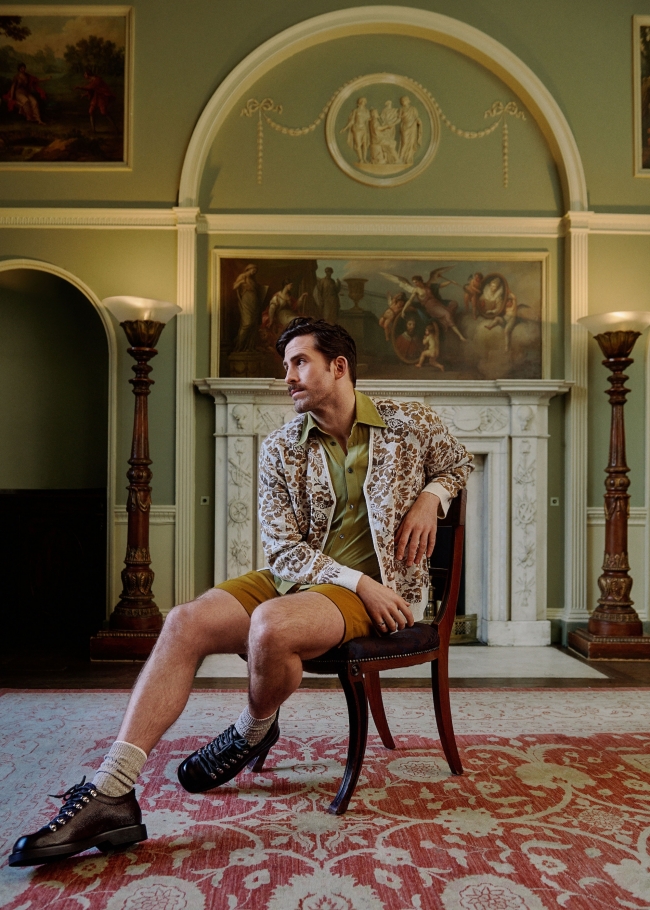
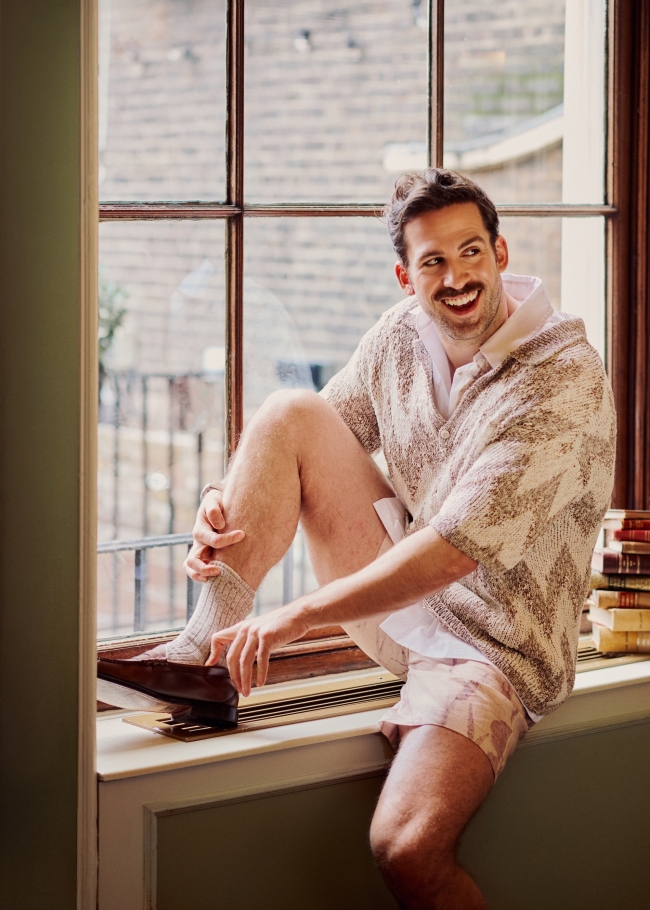
Above left: Dino wears Look as Before and Socks by Wax London and Shoes by G.H. Bass
Above right: Dino wears Look as Before and Shorts by Tods, Shoes by Jimmy Choo, and Ring by Giovanni Raspini
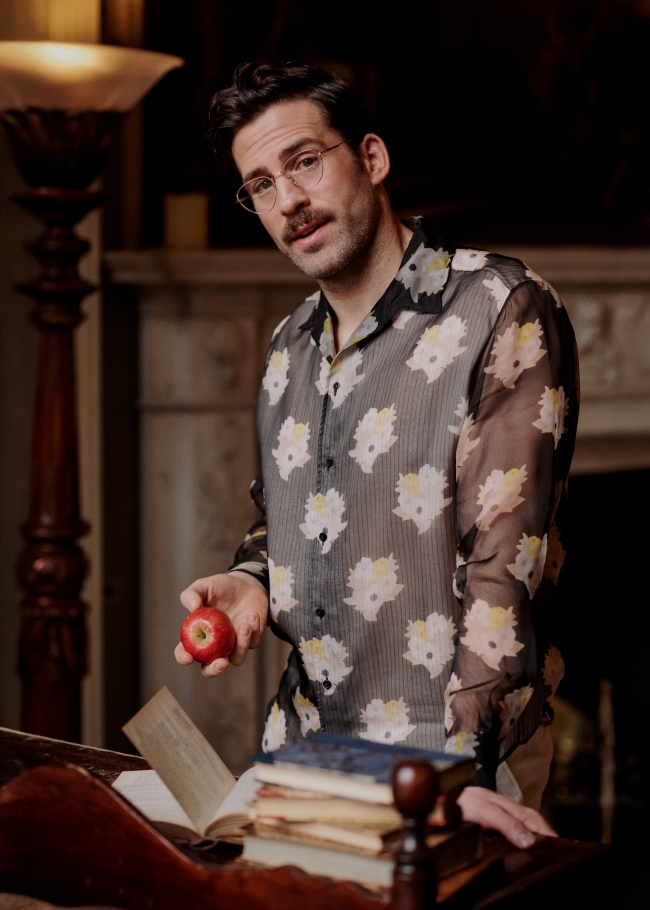
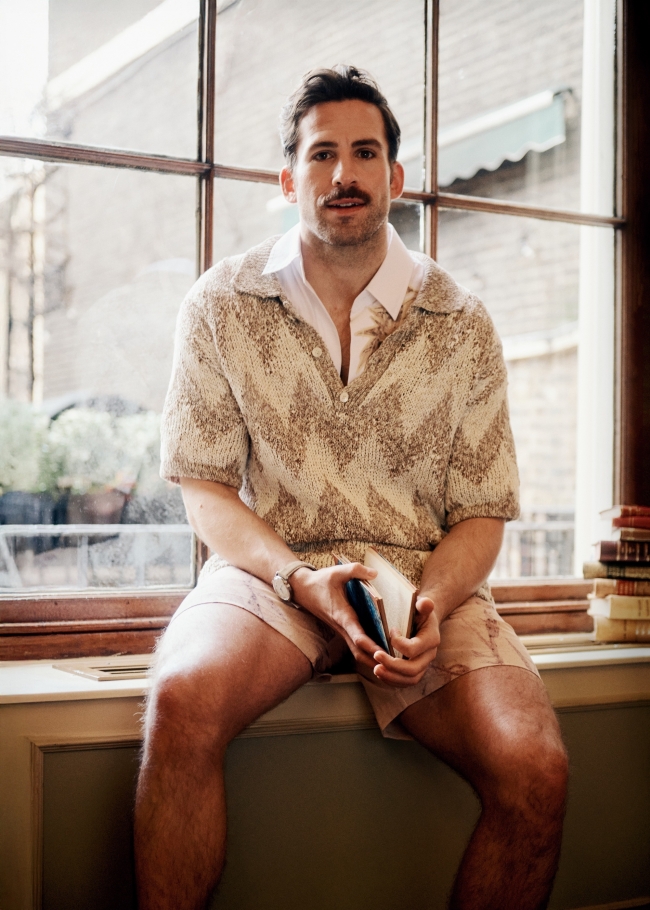
Above left: Dino wears Look as before
Above right: Dino wears Jumper, Shirt, and Shorts by Feng Chen Wang and Watch by Orient
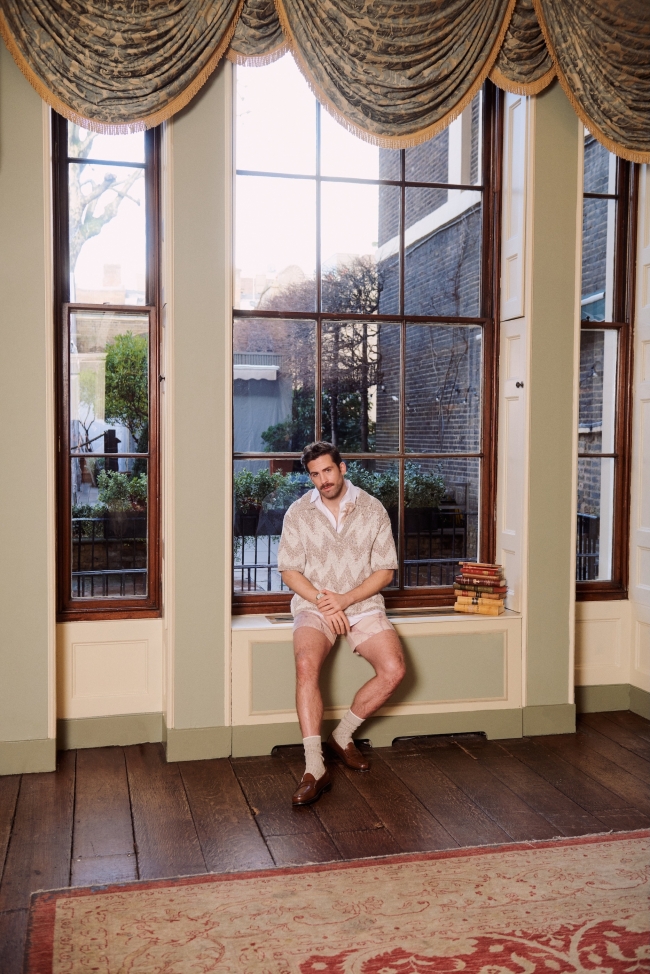
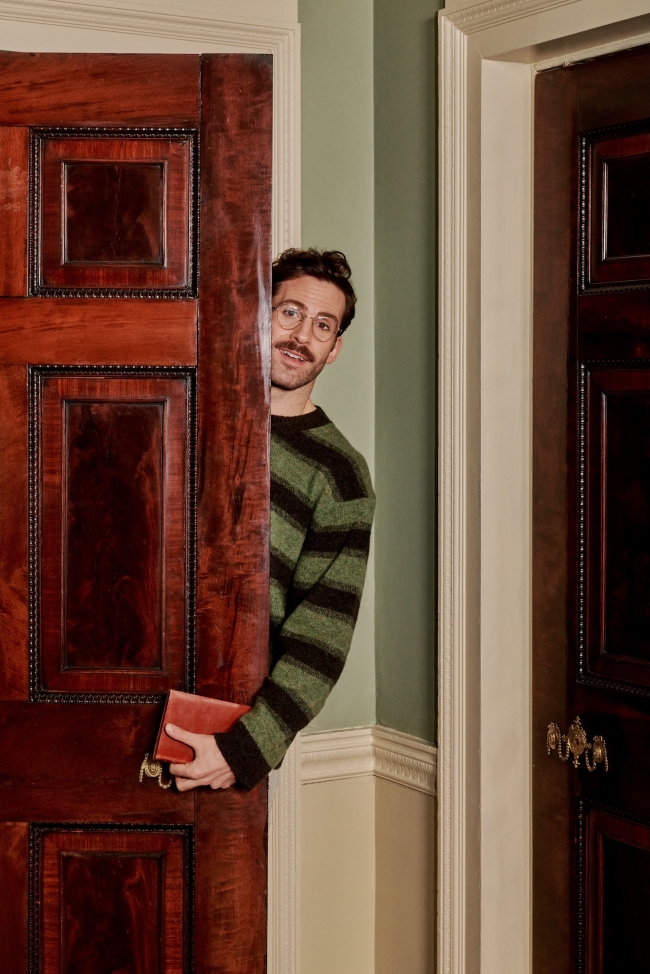
Above left: Dino wears Look as Before and Socks by Wax London and Shoes by G.H. Bass
Above right: Dino wears Look as Before
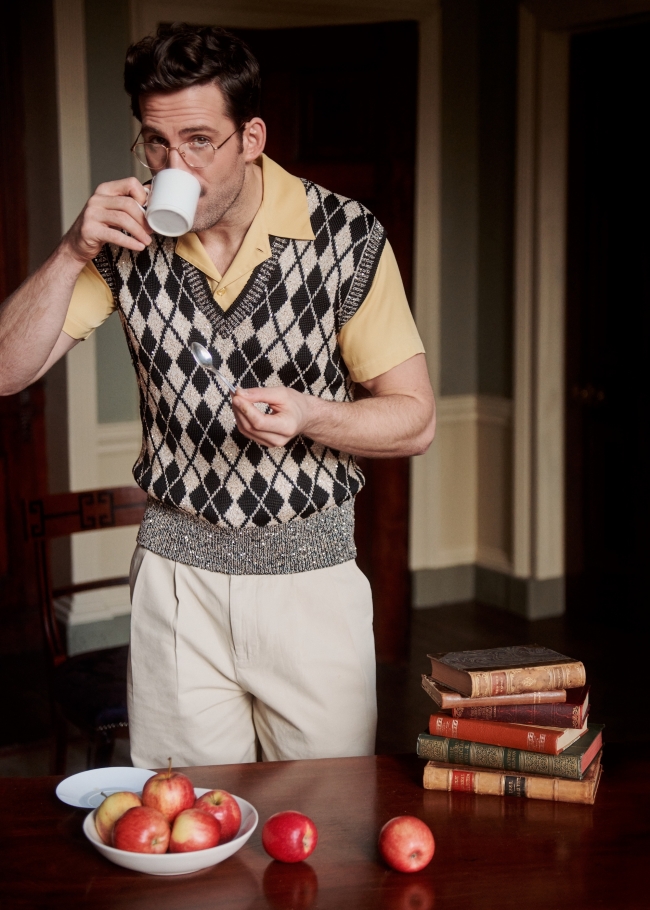
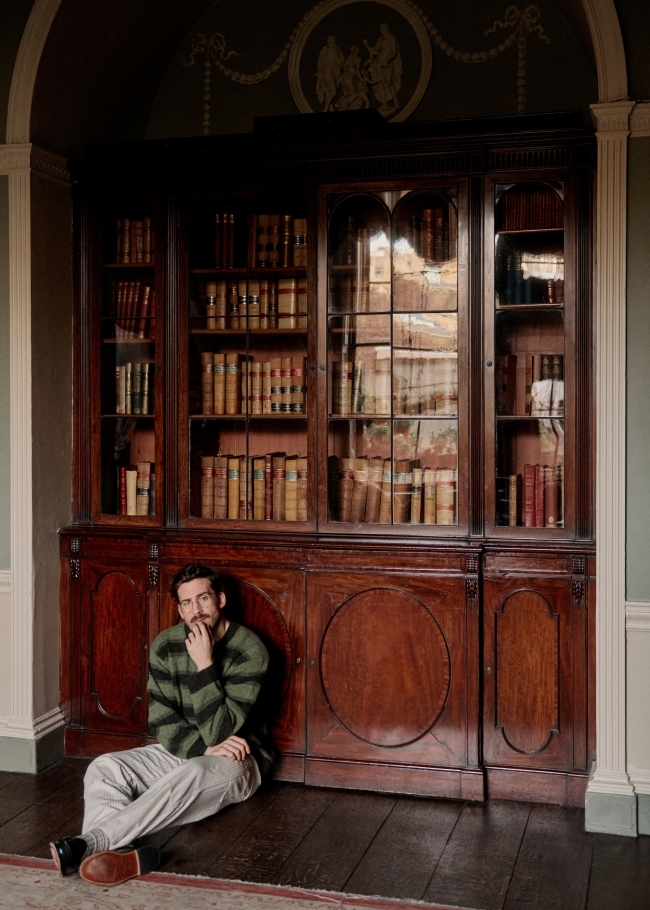
Above left: Dino wears Look as Before and Trousers by Wax London
Above right: Dino wears Look as Before